“Generosity has always been one of
hospitality’s defining ingredients“
By Jennifer Tremblay, DINR
We spend a lot of time talking about what makes a great restaurant. We talk about ingredients. Technique. Wine lists. Service. Design. We celebrate awards, rankings and reservations that seem impossible to get. We debate where to eat next and why one restaurant deserves more attention than another.
I sometimes wonder if we spend enough time talking about generosity. Not generosity in the obvious sense of warm hospitality or an extra course sent from the kitchen, but the quieter kind—the willingness to open your restaurant to another chef. To trust someone else with your guests. To share ideas instead of protecting them.
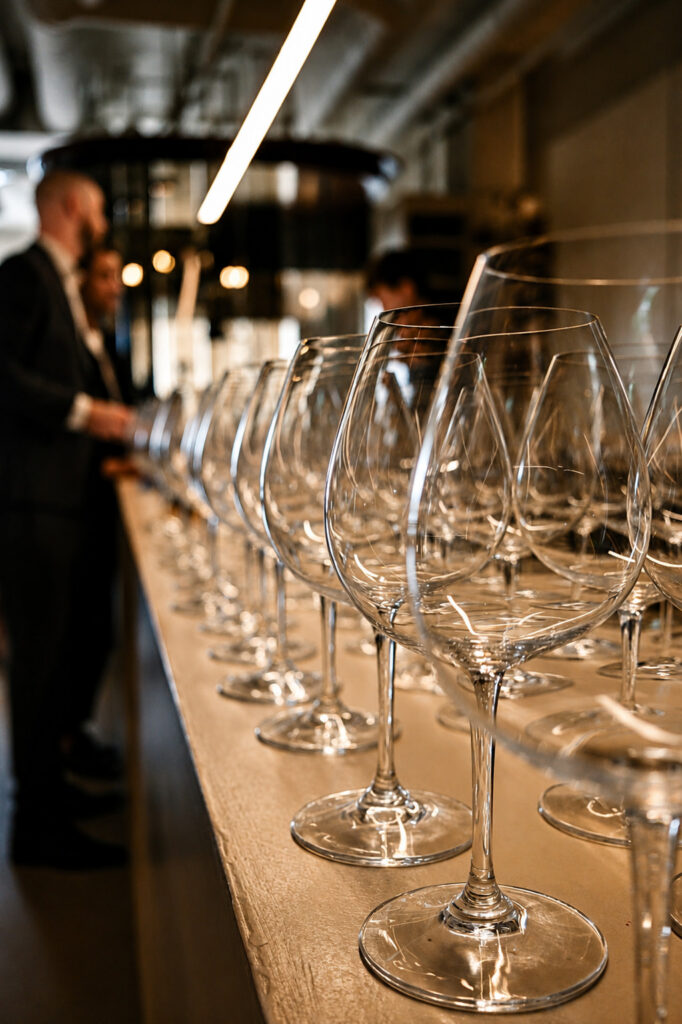
It’s something I’ve noticed over the years, having had the privilege of dining in many of Canada’s finest restaurants and, increasingly, some remarkable ones around the world. From the outside, restaurants can appear intensely competitive. Inside the industry, the reality is often very different. Behind the dining rooms, chefs are calling one another for advice, sharing suppliers, comparing notes, sending each other photos of dishes they’re excited about and, whenever they can, finding reasons to cook together. It’s a hidden world that guests don’t often get to see.
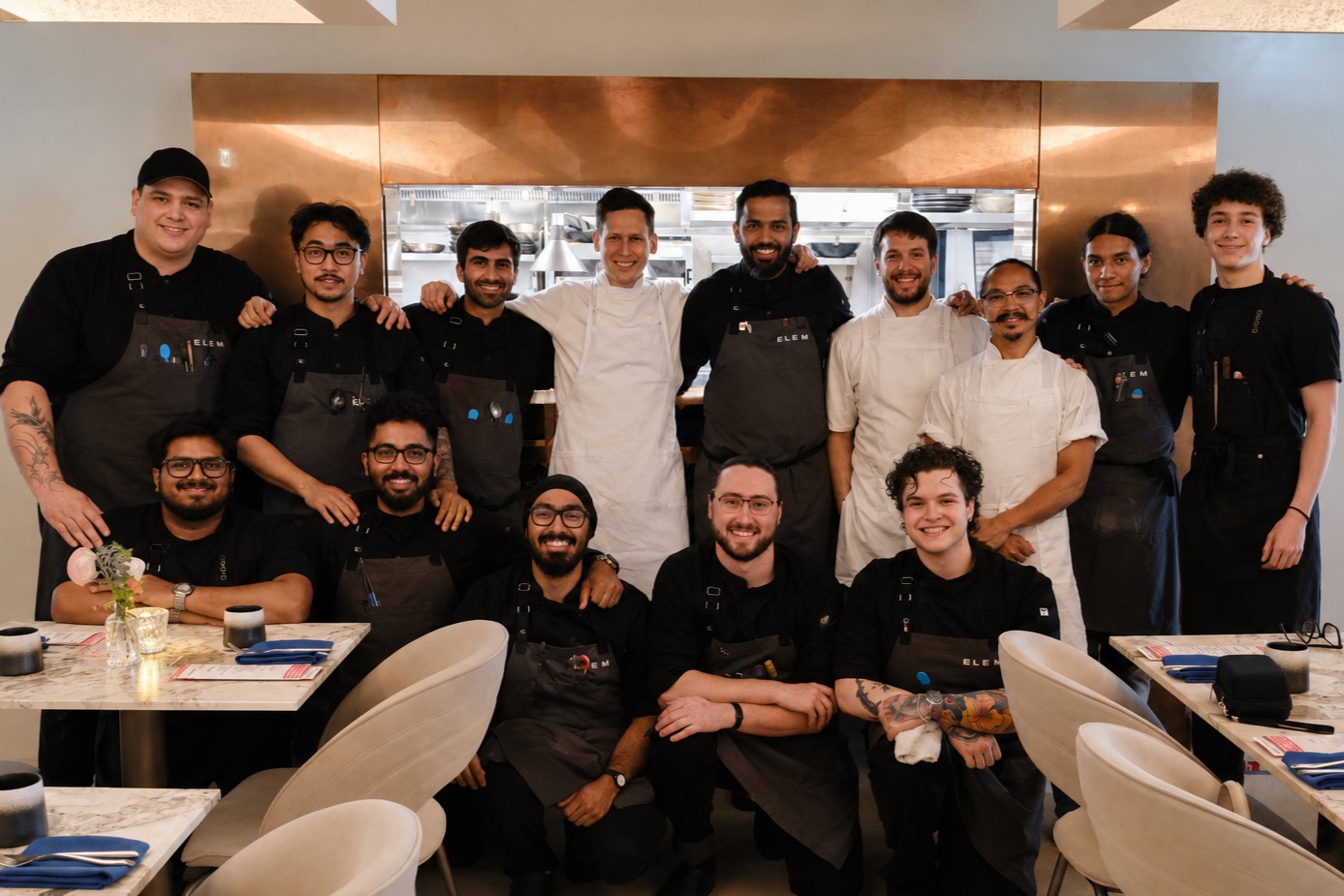
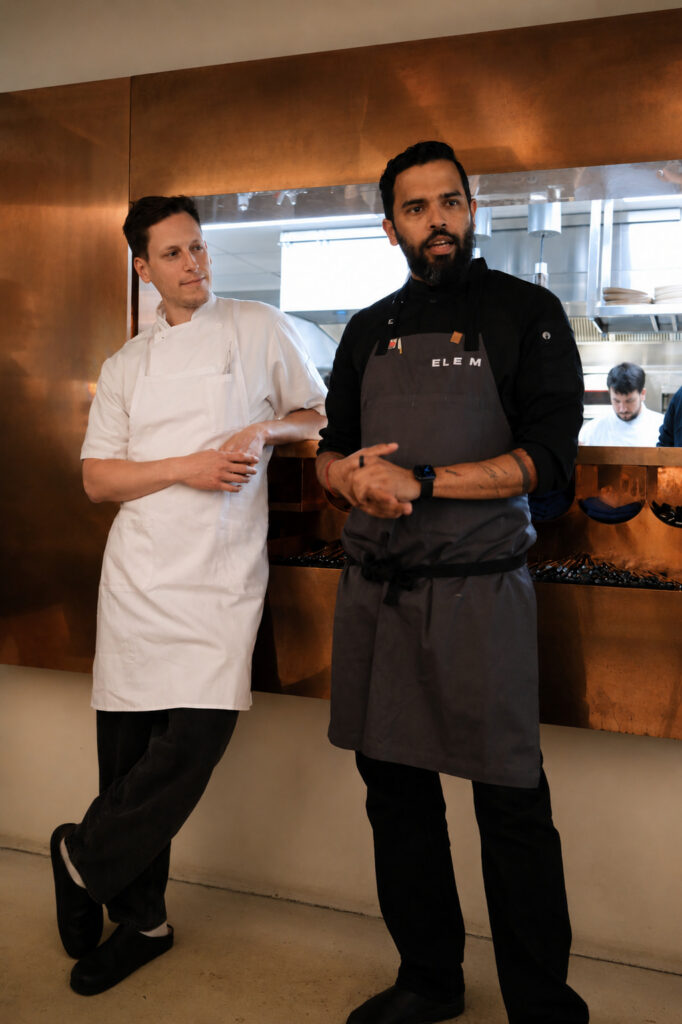
As I settled into my seat at ELEM in Vancouver, Chef Vish Mayekar was welcoming Chef David Schwartz and the team from Linny’s, Toronto, into his kitchen for a one-night collaboration. It was the second event in the inaugural Air Canada’s Best New Restaurants Dining Series, presented by partner company DINR. On paper it sounded like a meeting of two acclaimed restaurants. But sitting in that dining room, it felt much more personal than that. It felt like generosity made tangible.
The evening began with a series of snacks that immediately put everyone at ease and offered an unspoken glimpse into the chefs’ personalities. Chicken liver toast with cured egg and fried onion. Smoked whitefish tartlette with caviar and cucumber. Wild garlic croquettes with romesco and Mahón. Spring peas with smoked crème fraîche and shiso. They weren’t trying to impress anyone. They were inviting everyone in.
The first toast came with Linny’s Borscht Milk Punch—the “BMP” for short—recognized as Cocktail of the Year at the 2025 Air Canada’s Best New Restaurants Awards. Although it was imagined in Toronto, it was faithfully recreated by the team at ELEM. There was no insistence that every detail belong to the host restaurant; instead, one great team chose to tell part of another restaurant’s story. That spirit carried through the entire evening.
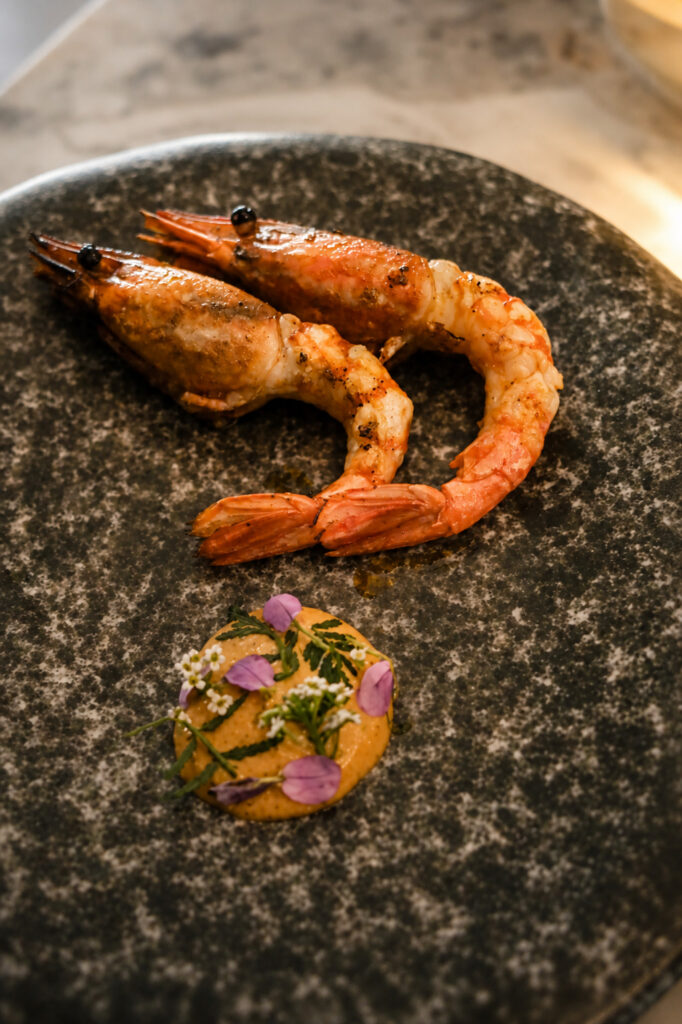
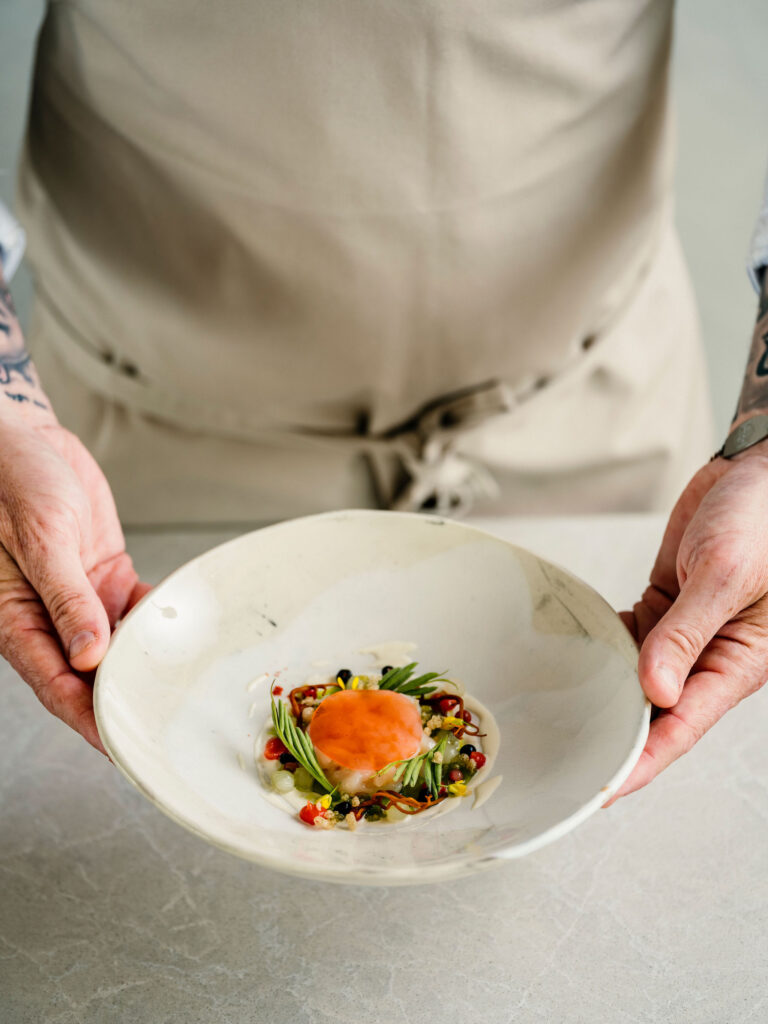
David made a point to stop by between courses to talk about British Columbia spot prawns—not clinically, but with the kind of enthusiasm that reminds you why so many chefs remain endlessly curious, no matter how accomplished they become. Their season lasts only a few short weeks, and because they’re so delicate, they ask very little of the person cooking them. Paired with brown butter mayonnaise, paprika and a drop of marigold, the finished dish celebrated exactly that. It wasn’t a lesson in technique so much as a lesson in knowing when not to intervene. There was something quietly beautiful about watching a chef from Toronto become so excited by an ingredient that belongs so completely to the West Coast.
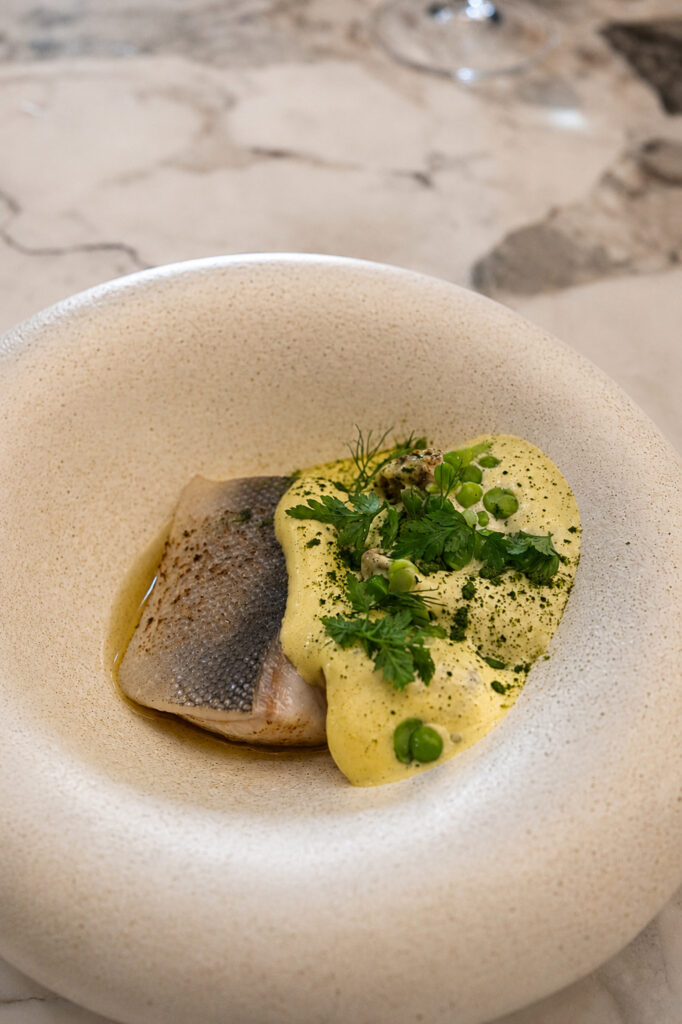
The courses that followed carried the same feeling. Fire morels with truffle and aged Tomme captured the forests surrounding Vancouver. Sablefish with peas, potatoes and dill felt like early summer on a plate. Fazzoletti filled with oxtail ragù balanced comfort and refinement without ever leaning too heavily toward either. Then came the pastrami.
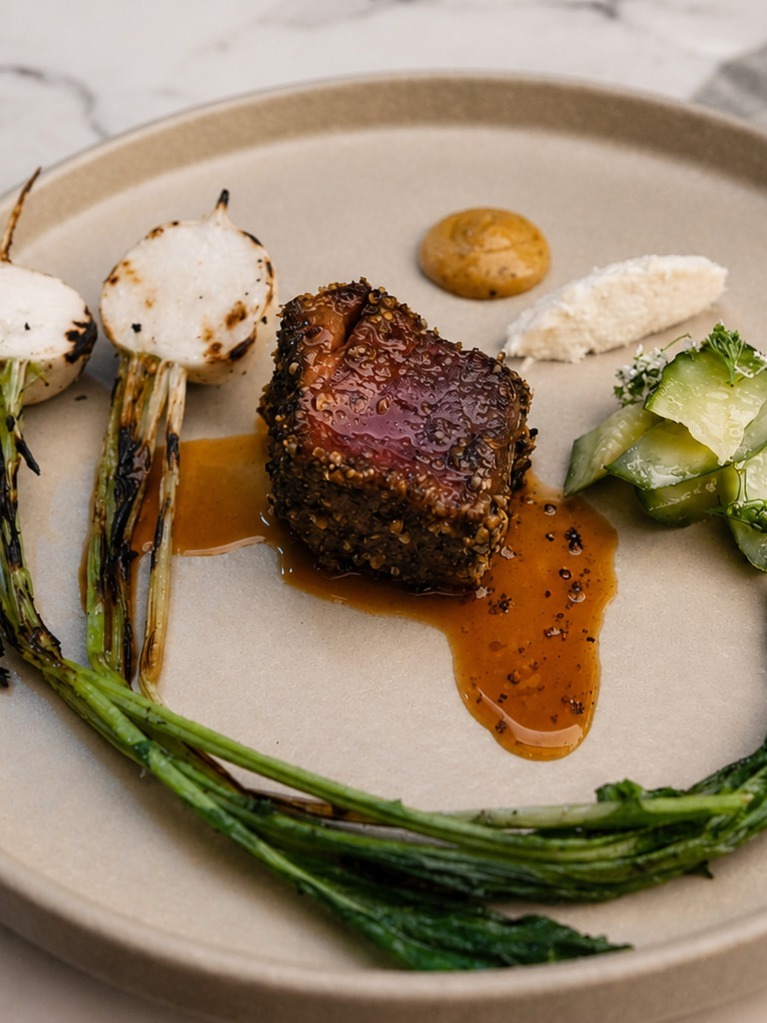
Some dishes become famous because they’re endlessly photographed. Others because the people who’ve eaten them simply can’t stop talking about them. David’s pastrami belongs firmly in the second category, and by the time it reached the table, anticipation had been quietly building all evening. As the plates landed, conversation paused almost instinctively—for a brief moment, everyone was simply absorbed in the same extraordinary bite. Before the short rib made its nearly 4,500-kilometre journey to Vancouver, it spent a full week in brine and was smoked overnight in Toronto, then portioned, rubbed once more with Linny’s signature spice blend, brushed with tallow butter, and grilled to perfection. Listening to him, it occurred to me that he wasn’t really talking about a recipe. He was talking about generosity—of his time, and of his attention to detail.
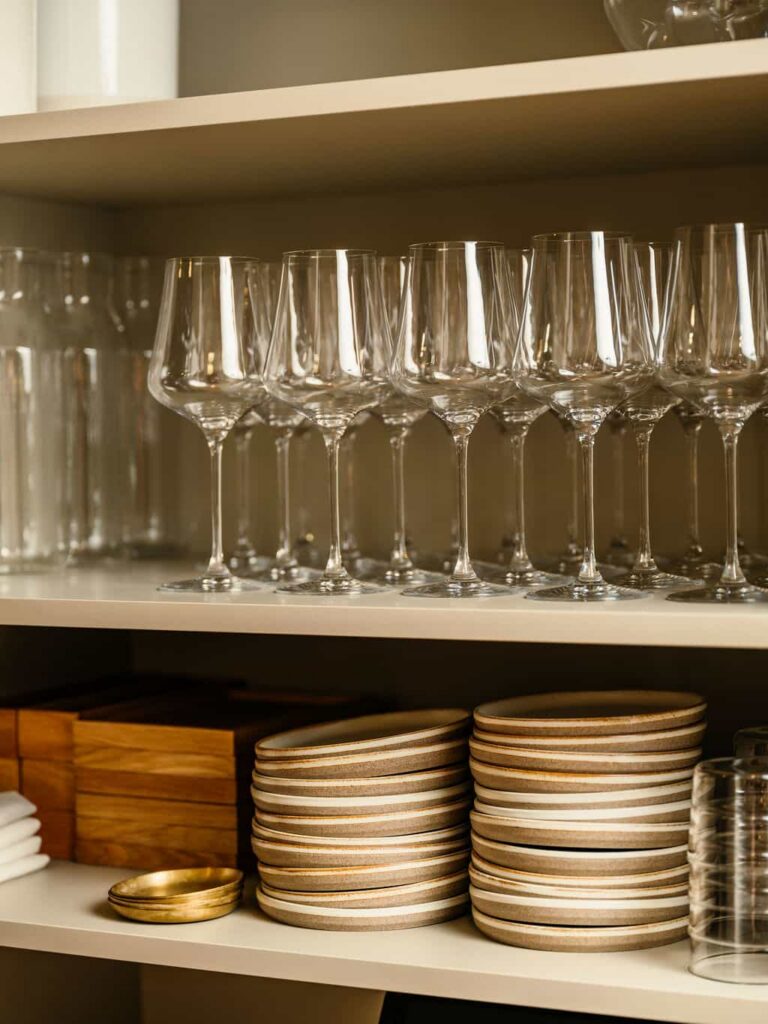
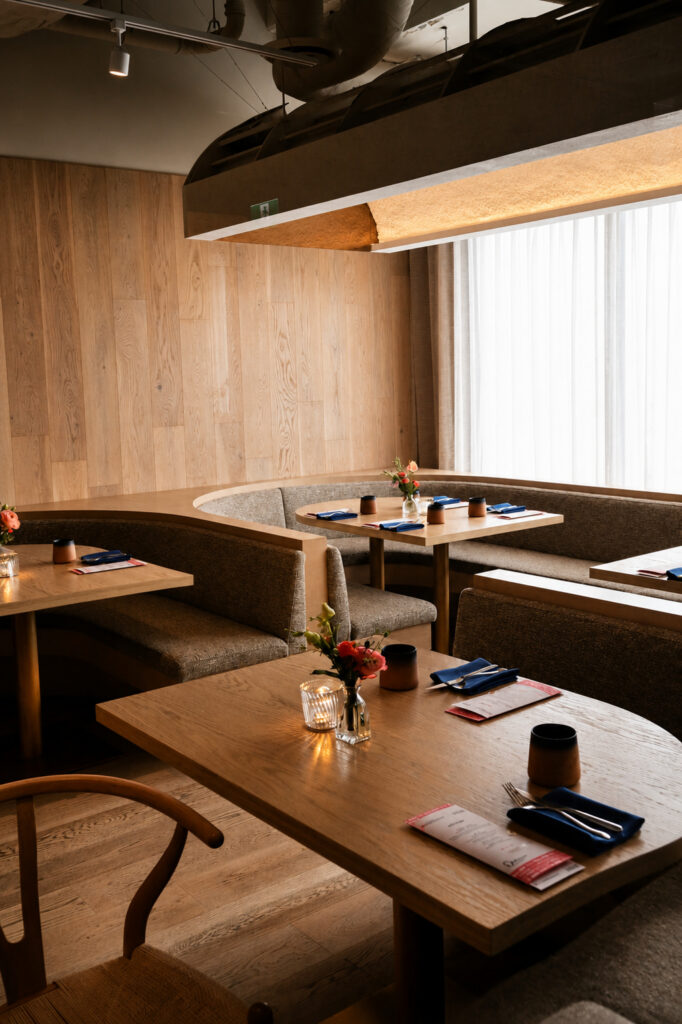
ELEM reveals itself gradually. Named after the classical elements, it unfolds through a series of dining rooms, each with its own mood and energy—one intimate, another lively, another almost contemplative. The service reflected that same rhythm: a quiet confidence, but never the sense that anyone was performing. Plates arrived effortlessly, glasses were quietly refreshed, and servers smiled at one another as often as they smiled at guests. Even the bathrooms became part of the experience, the speakers playing an eclectic mix of motivational talks, philosophical reflections and wonderfully eccentric podcast clips. It’s whimsical, a little weird and entirely unnecessary, which is precisely why it’s so memorable.
As the evening came to an end, I wasn’t trying to remember my favourite course. I was thinking about two teams from opposite sides of the country who, by the end of the night, no longer looked like hosts and guests. They looked like chefs who simply enjoyed cooking together. The best restaurants remind us they’re places where people gather to share—knowledge, ingredients, stories, time. Long after the final plate had been cleared, that’s what stayed with me: not a single dish, or an award, or even the remarkable collaboration itself, but the quiet generosity of people at the top of their craft, choosing to share it with one another.