

Air Canada’s Best New Restaurants Icons
For 25 years, Air Canada’s Best New Restaurants has celebrated the country’s most exciting emerging culinary talent. Now, the inaugural Air Canada’s Best New Restaurants Icons Award honours six extraordinary chefs and restaurateurs whose enduring influence has helped shape Canadian dining and inspire the next generation of culinary talent.
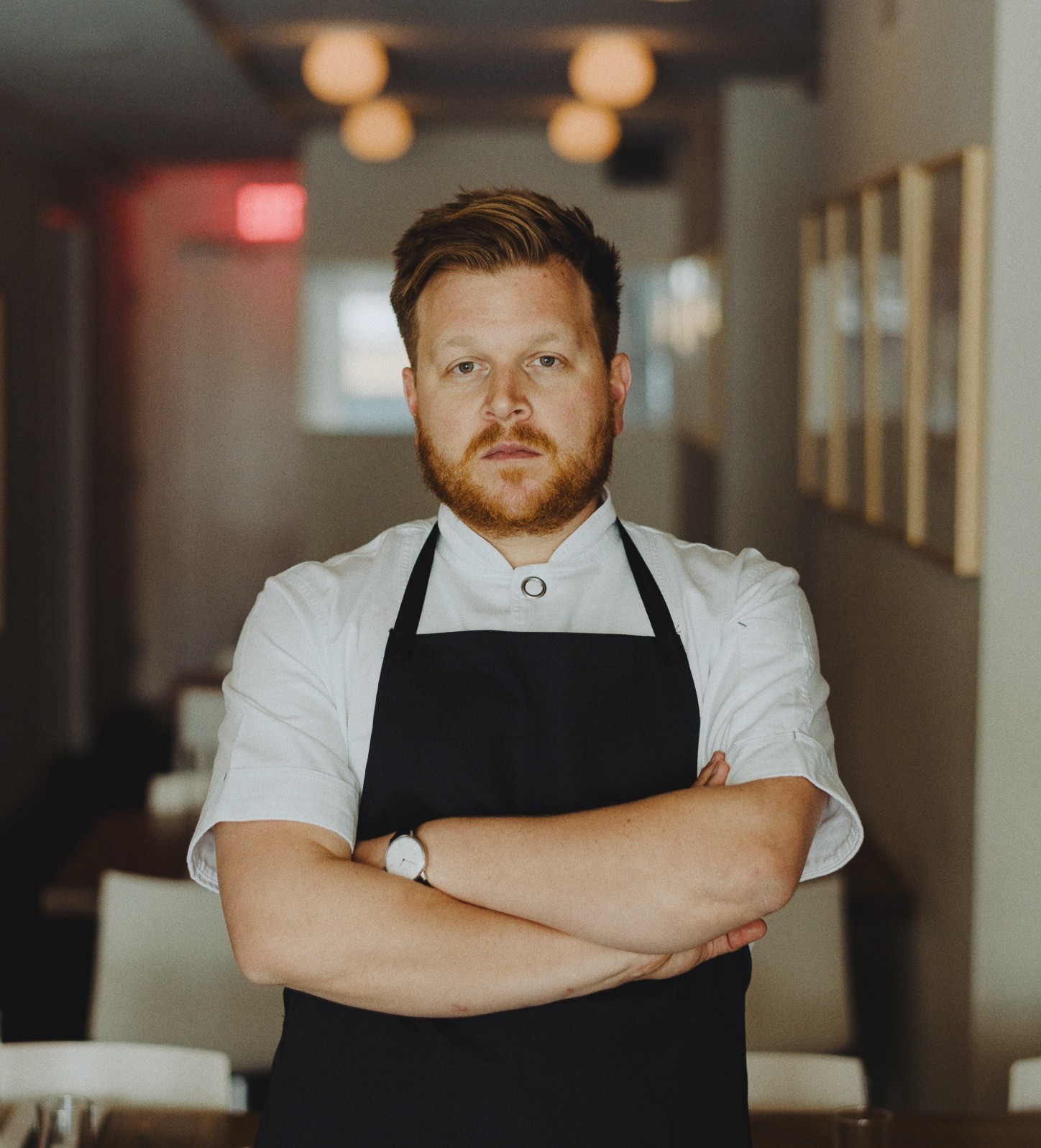 Photo: Dong Kim
Daniel Costa
Edmonton, AB
Restaurants
 Photo: Dong Kim
Daniel Costa
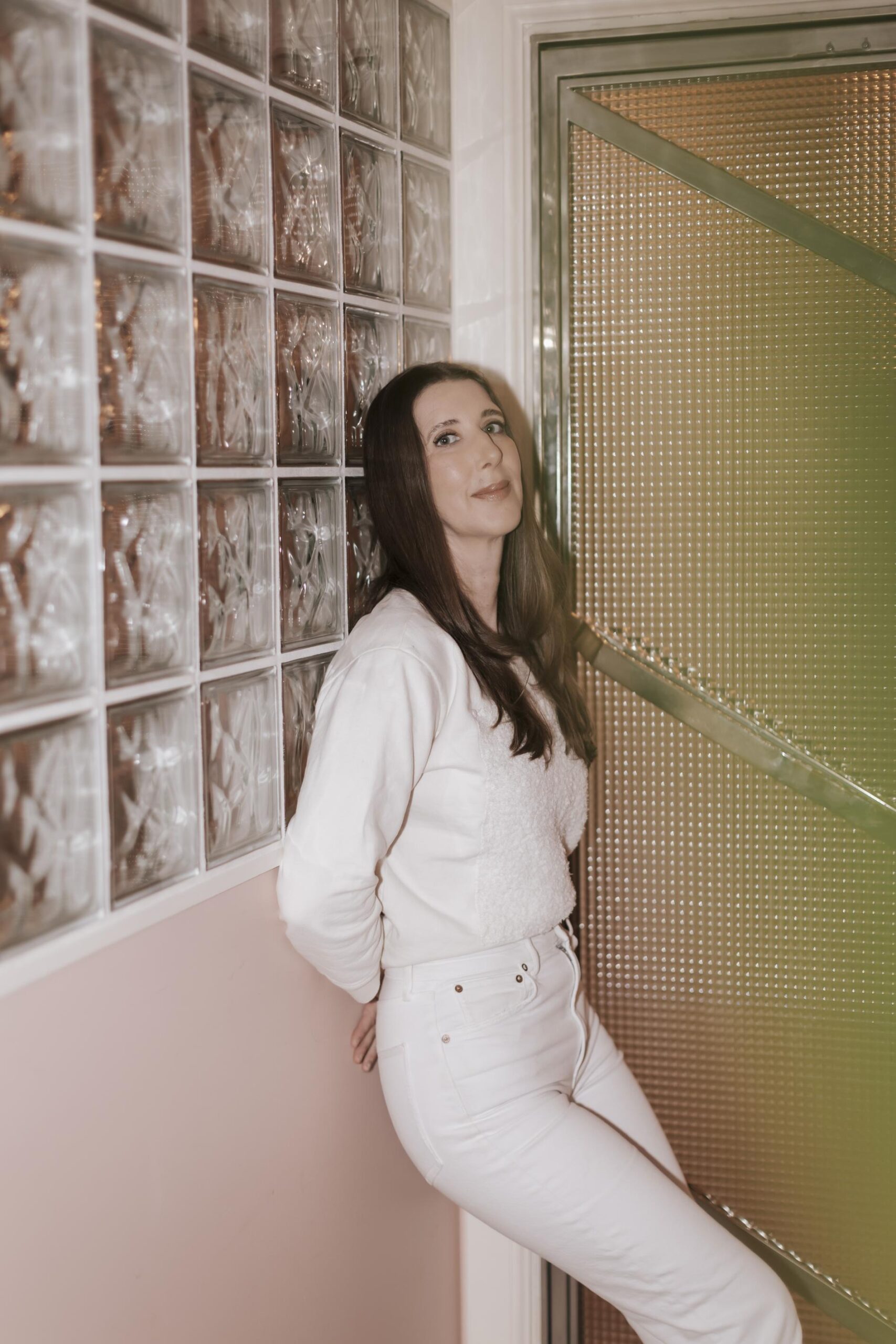 Photo: Jenna Wakani
Jen Agg
Toronto, ON
Restaurants
 Photo: Jenna Wakani
Jen Agg
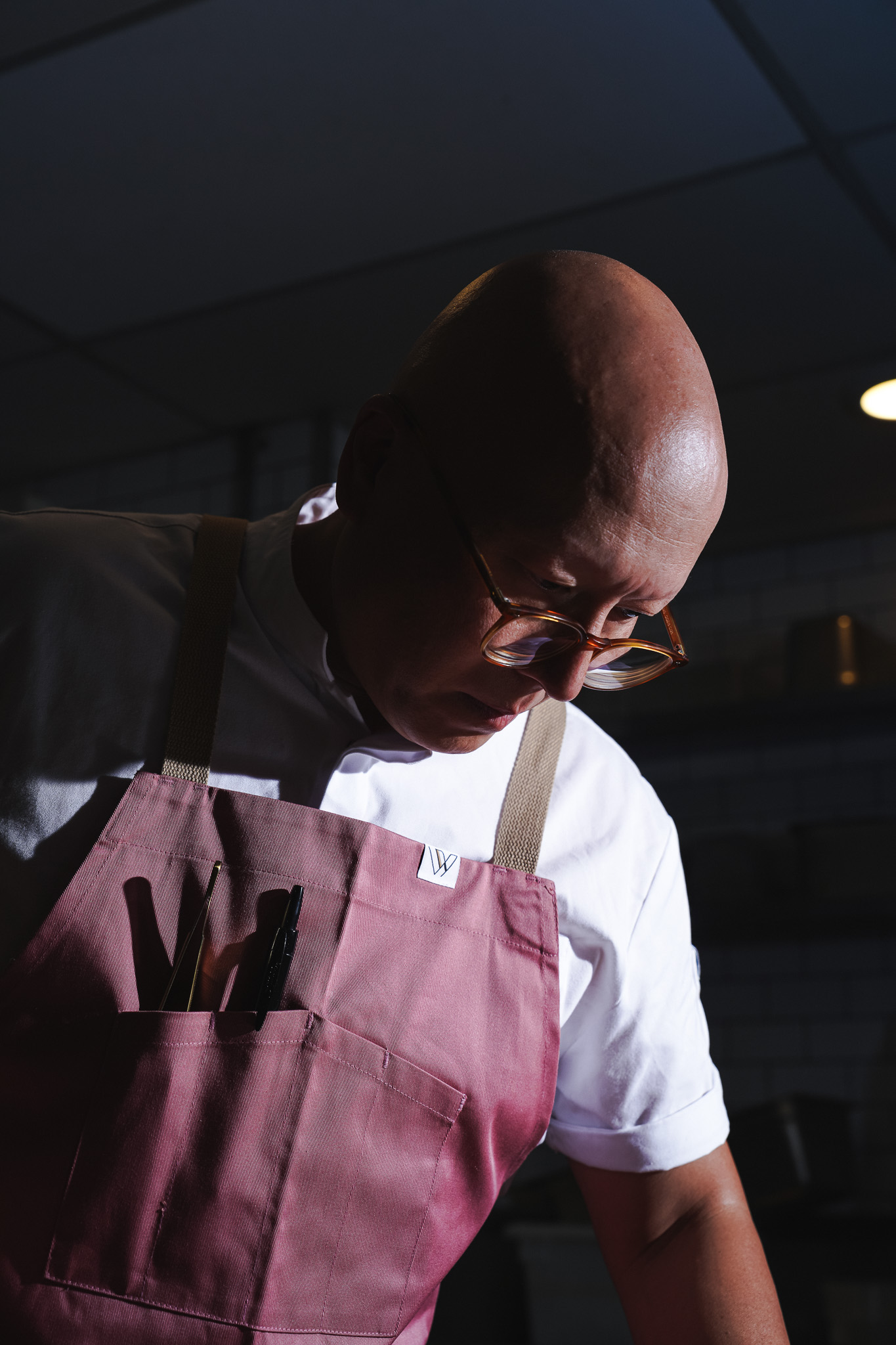 Photo: Hakaan Burcuolglu
Joël Watanabe
Vancouver, BC
Restaurants
 Photo: Hakaan Burcuolglu
Joël Watanabe
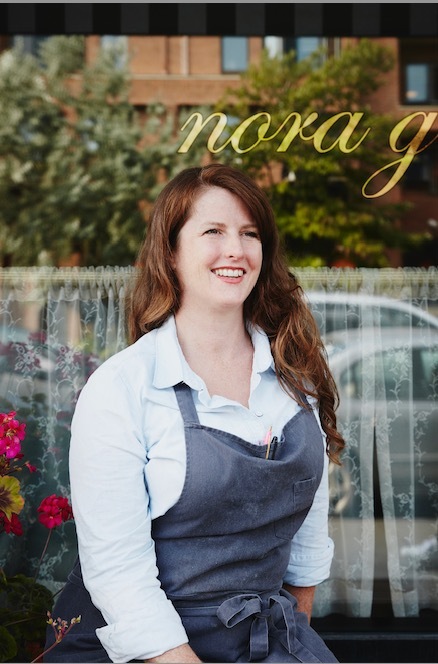 Photo: Emma Cardarelli
Emma Cardarelli
Montréal, QC
Restaurants
 Photo: Emma Cardarelli
Emma Cardarelli
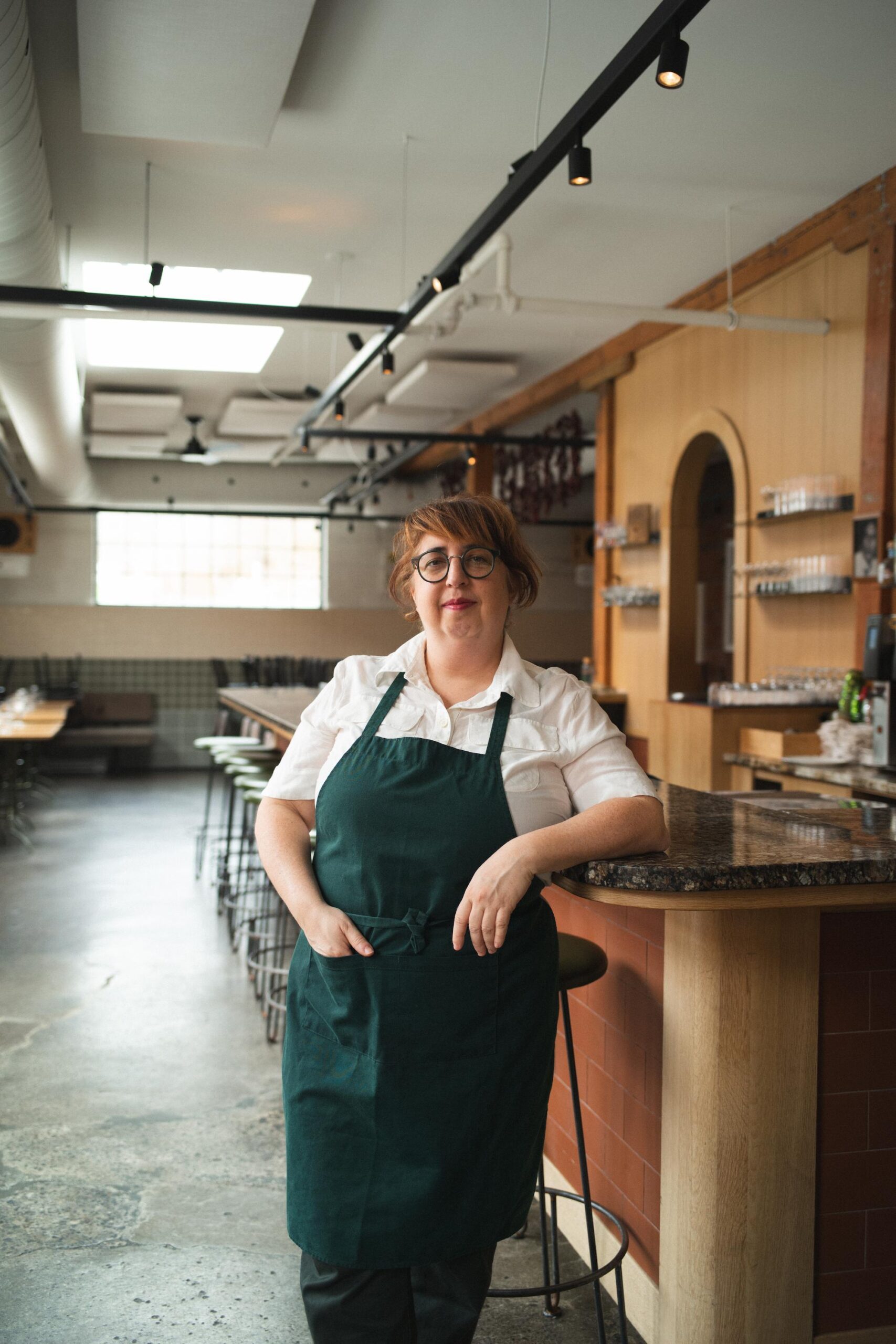 Photo: Monse Muro
Janice Tiefenbach
Montréal, QC
Restaurants
 Photo: Monse Muro
Janice Tiefenbach
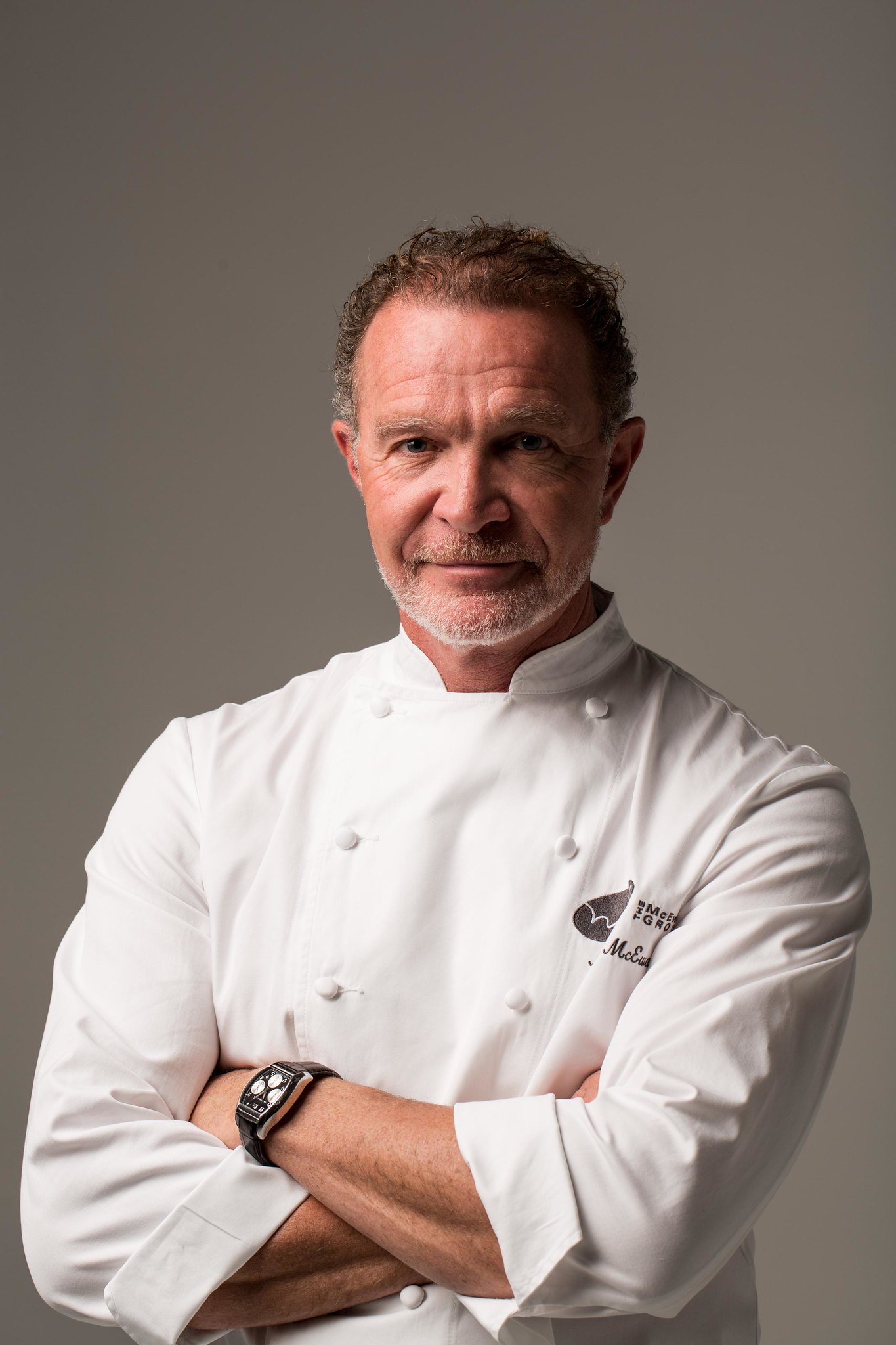
Mark McEwan
Toronto, ON
Restaurants
Mark McEwan
Introducing the Inaugural Air Canada’s Best New Restaurants Icons
By Paul Stasiewich, DINR
For 25 years, Air Canada’s Best New Restaurants has had a singular focus: discovering food worth flying for. Every year a national panel of journalists, chefs and culinary storytellers comes together to nominate the restaurants that best embody the spirit and rigour of the program. It has launched careers and filled dining rooms from Newfoundland to British Columbia. But new is a moment. Lasting is a career. This year, for the first time, the program is honouring the people who mastered both.
When Air Canada’s Best New Restaurants ranked Joël Watanabe’s Bao Bei number two in 2010, he did what he did with every award in those years: put it in a closet and got back to work. “I was always too nervous to congratulate myself or feel proud of anything,” he says. “My default driver as a young chef was to be insecure, and just outwork everybody.”
When his second restaurant, Kissa Tanto, was named number one by Air Canada’s Best New Restaurants in 2016, even he could not look away. He was in Toronto for the announcement, did the morning television circuit, and got a memorable call that night from the restaurant. In 24 hours they had taken 500 new reservations.
The inaugural Air Canada’s Best New Restaurants Icons Award recognizes six chefs and restaurateurs who have made significant contributions to the program, and whose influence now reaches well beyond their own dining rooms: Mark McEwan and Jen Agg in Toronto, Joël Watanabe in Vancouver, Emma Cardarelli and Janice Tiefenbach in Montréal, and Daniel Costa in Edmonton.
We spoke with each of them this month. They live and work in four different cities spanning the country. Even so, the same convictions came up in every conversation, often in nearly the same words.
Less is More
“Please remove two ingredients from that plate,” says Agg, when asked what advice she would give a chef starting out. “Every great chef needs an editor, especially at the beginning.” Watanabe calls it distillation. “The longer you do something, the more you want to cut away the extraneous, the exaggerated.” Costa compares it to design. “Know what to take away, not what to add.”
Cardarelli came up in what she calls Montréal’s age of excess, at Globe and then Liverpool House, when the city’s most celebrated kitchens were serving giant steaks and boards of meat and foie gras on everything. When she and Ryan Gray opened Nora Gray in 2011, they deliberately went the other way, with smaller portions, fewer layers and Italian food, which was also her heritage. “Everybody was trying to emulate Joe Beef,” she says. “So we tried to carve out a little niche for ourselves.” The rest of the industry followed them into it.
Costa’s version of less was handed down. He grew up on the north side of Edmonton with a nonno who made his own wine and cured his own sausage, and at 10 he spent a Saturday in a family friend’s restaurant in the Okanagan, watching the dining room come to life before service like a stage before a show. “I remember I didn’t want to leave.” He took a formative trip through Italy with his dad at 20 and came home wanting to make a pasta with a simple tomato sugo, executed so well that people who had eaten it a hundred times would call it the best of their lives. “We obsess over the sourcing of the olive oil, the tomatoes, the basil, the cheese,” he says. That attention to detail reshaped Edmonton’s dining scene almost as soon as Corso 32, his first restaurant, opened in 2010 and became one of the hardest reservations in the city.
Janice Tiefenbach, chef at Elena and Gia in Montréal, takes the same idea back to the source. “This is an Italian restaurant, and I feel there’s nothing less Italian than using products from somewhere far away, out of season.” She has spent years building relationships with a single farm for her beef, pork and lamb, breaks down whole animals in-house, and waited a year for a Québec farm to be able to sell her a whole wild boar. “It’s definitely not the easier path,” she says. “But no matter where you go now, it’s expensive. So you might as well do something that means something to you.”
McEwan, who began his apprenticeship in Toronto in 1976 and has owned restaurants for 41 years, describes his cooking today as relaxed and uncomplicated. “It starts with great ingredients, seasonality and allowing the quality of the product to speak for itself. I don’t believe in making things unnecessarily complicated.” The Bymark Burger has been on his menu for more than 20 years and is still one of the most popular items.
Agg, who is a restaurateur and not a chef, came to the table from the other direction. She grew up in Scarborough with two loving parents who were, by her own account, “objectively terrible cooks,” which is what got her into the kitchen in the first place. Baking taught her the first lesson: follow a good recipe and you get a good result. The editing she applies now is to her own expectations. “I used to think getting it all perfect was the only way. Now I’m a lot more about striving for a perfection that I know is unattainable.” She would still, she adds, vastly prefer perfection.
Beyond the Plate
When Cardarelli’s group opened Gia, they decided to change the napkins they had used at Nora Gray and Elena for a decade. The decision took three months of samples and conversations with linen suppliers. “That’s something a diner generally doesn’t think about,” she says. “But it’s part of the experience. Every detail is discussed and mulled over like that.” The same goes for the dishes, the art on the walls and the soap in the bathroom. “Nothing is left to chance.”
Costa shared a similar sentiment about the ambiance of his rooms. The lighting, he says, is a mission he will never finish, because there is always something to improve. “And the music is just as important as anything else, because you’re hosting people.” He wants the food, the room and the sound to agree with one another, so that a guest senses a single point of view.
The food is only part of what these six are offering. Asked what they want a guest to remember about their experience, none of them named a dish.
“The feeling of being taken care of,” says Cardarelli. “And warmth.” Costa wants people excited, welcomed and wanting more. McEwan is blunt about the hierarchy. “You can serve a great meal, but the way someone is treated, the atmosphere and the overall experience are what make an establishment memorable.” Agg draws the line most precisely. “Service is hitting all the steps. Hospitality is how we make you feel.”
Tiefenbach wants connection, and at Gia she has watched it compound. The room has become a place where Montréal marks its milestones: weddings, then anniversaries a year later, then the first child, then a graduation. “It’s expensive to eat out, as we all know. So we really want people to feel their experience was something memorable, something that resonates.”
Watanabe aims deeper still. He wants his cooking to lodge in the same place as a grandparent’s food, the kind of sense memory that ambushes you years later when you smell something on a street in another country. “If I can do that, that’s the apex of being a restaurateur.” Not long ago a guest told him he had kissed his future wife for the first time in the Kissa Tanto stairwell. To Watanabe, that is exactly the point.
The People
What Cardarelli is proudest of is the kind of workplace she built, because it is the opposite of what the industry was known for when she started. Long hours, low pay and a culture of yelling were simply the norm in professional kitchens a generation ago, and she and her partners set out to prove it did not have to be. “We worked very hard at trying to change that.” The changes were concrete: a group health plan across the restaurants, a four-day week for the kitchen, a proper staff meal. And one that cost nothing. “We try just to hire nice people. Nobody yells anymore.” In an industry built on turnover, many of her staff stay for years. “That to me says it all.”
Tiefenbach, her partner at Elena and Gia, says the same thing, unprompted. “The thing that makes me most proud is not just running successful businesses. It’s the culture we’ve established. A positive culture is a very fragile thing to maintain in any business, but particularly in restaurants, which are notorious for breeding toxic environments.” Her proof is a cook who started as a commis and is now her sous chef. She credits Montréal, too, where chefs and owners lean on each other rather than compete. “When you run into a difficult moment, you can turn to other people in the industry, and it’s very supportive. I don’t take that for granted.”
Watanabe, who describes his younger self as a tough chef, puts his ambition now in the same terms: to be the kind of leader who sends young cooks out confident. “Being a good human. Becoming emotionally mature so I can help young people view the world in a positive light.”
All six measure their careers by the people they’ve helped develop along the way. Costa started alone as sole owner. Today three of his chefs are his business partners. Asked about legacy, a question he says no one had ever put to him, he lands on a single word, integrity, and a single test. “I want to be known as someone where everyone who worked within our restaurants left better than when they came.” McEwan can point to senior leaders across a 350-person company who started in entry-level jobs, and to a son positioned to carry the business on. “Knowing that something you’ve worked so hard to build can carry on into the next generation. That’s one of the most meaningful parts of the journey.” It is a lesson he learned the hard way, moving from chef to owner with North 44 in 1990. “Being a good chef and being a good operator require different skills, and I’ve learned a great deal from both sides.”
Agg’s proudest accomplishment, in her own words, is sticking to her guns, always, no matter what it cost her. What she wants from the next generation is the same conviction. Running a dining room, in her view, is an education in attention and empathy that nothing else provides. “If everyone worked in a restaurant for a year, we would be significantly stronger societally, with more kindness. I genuinely believe this.”
Their advice to those young people is remarkably consistent: be patient first. McEwan tells a young cook to find a well-run kitchen and stay at least three years. Cardarelli says to master the comfortable things and experiment at the edges until the craft is second nature. Watanabe believes every young chef already has a voice. “They’re just too afraid to express it, or they don’t have the experience to come up with food that would be their food.” Find it, he says, in your family’s food and your own travels rather than in someone else’s social media feed. Tiefenbach sees the hurry on the CVs that cross her desk, cooks jumping from kitchen to kitchen. “There’s something to be learned everywhere. Once you’re the one calling all the shots, it’s nice to have a reservoir of knowledge you’ve accumulated. You need to be solid. There’s no cheat code for that.”
What Comes Next
None of them, it turns out, is particularly interested in slowing down. McEwan is opening a new Toronto restaurant in 2027. More than two decades after Bymark, he still loves the “excitement of starting something new: bringing the right people together, creating something meaningful and seeing where it takes you.” Costa is writing a book and, one day, wants to open a hotel, so that guests can live inside his world of hospitality for longer than a dinner. Watanabe wants to make films, and is lucky, he says, to be a chef who actually likes being in front of the camera. Cardarelli expects the decade ahead to be her biggest yet, with new projects in the works and plans to eat her way around the world with her daughter. Tiefenbach, who co-wrote the Elena cookbook, wants to write more and keep closing the distance between Québec’s farms and its tables. And Agg, asked what still drives her after everything she has built, did not hesitate. “The black hole of ambition living inside me.”
Twenty-five years of looking for the best new restaurants in Canada has revealed something these six already understood. The restaurants that endure are the ones where the napkins, the light, the music and the service were decided with the same care as the menu. That kind of care is a craft, and people will cross a country, or a world, to find it. The inaugural Air Canada’s Best New Restaurants Icons built their careers on it.