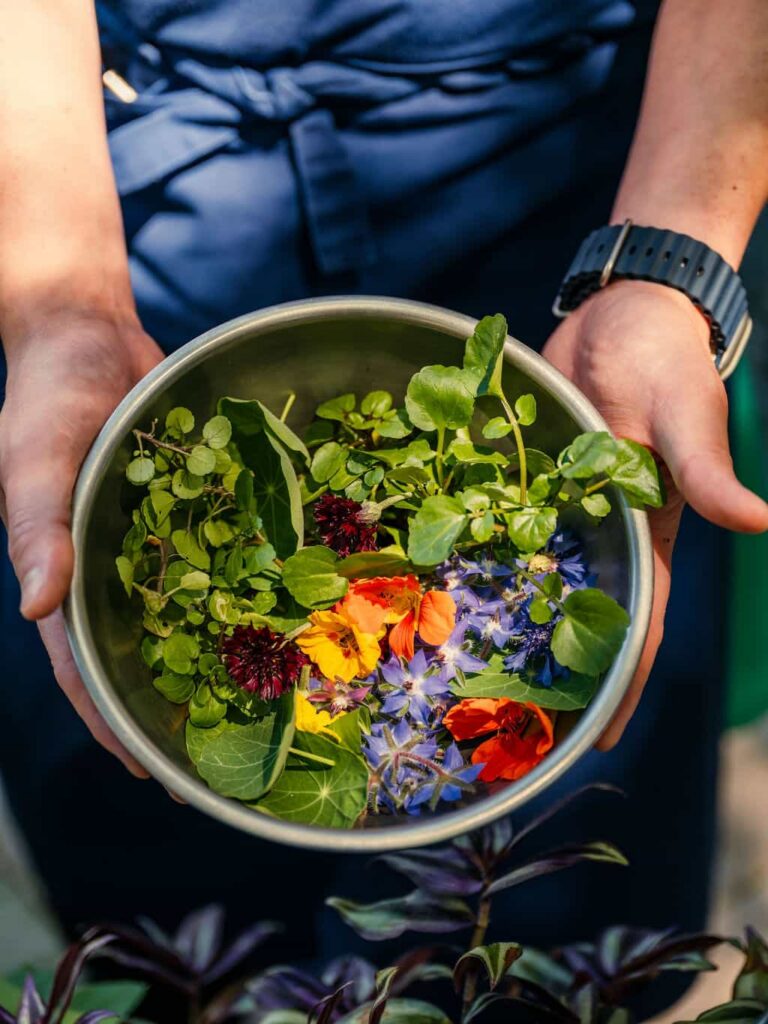
“As much as the ritual of dining out is about being among others,
solo dining is a worthwhile act of sovereignty.“
By Tara O’Brady
Photography by Johnny C.Y. Lam
No compromise, just you and exactly what you want to eat, where you want to eat it. And where does an independent diner want to eat? A spot where the staff is attentive without hovering, and portions allow one to explore without feeling as if you’ve conspicuously over-ordered.
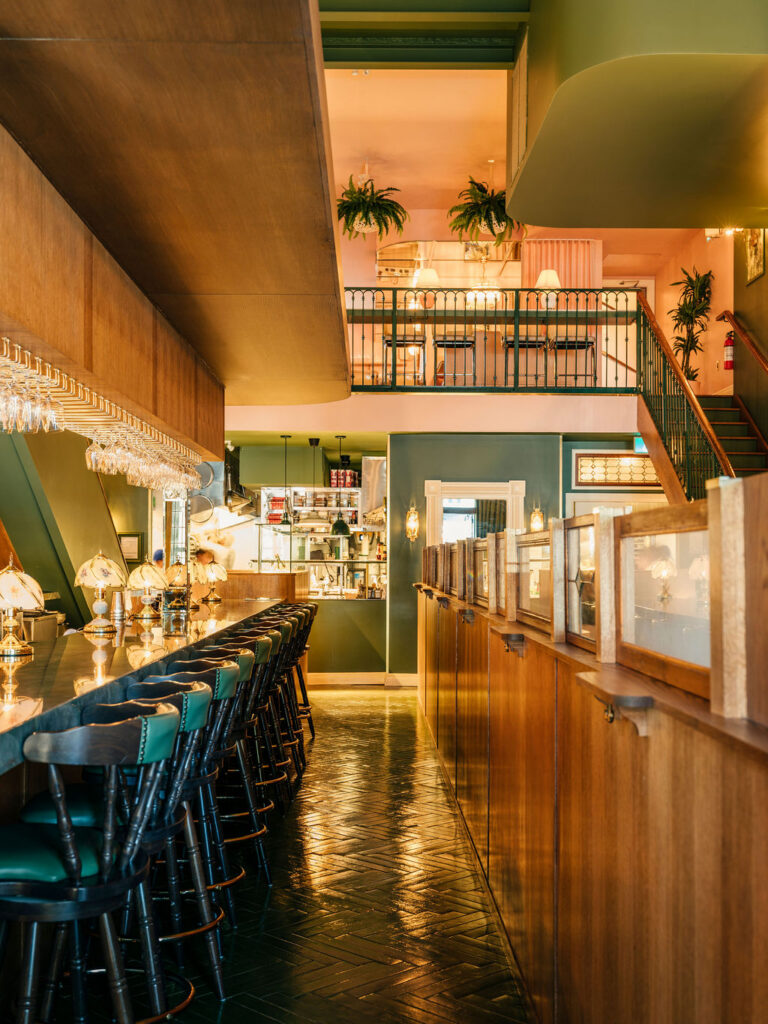
The bar at General Public is possibly the best seat in the house, with vintage-chic frosted-glass lamps casting warm, low light. As with any spot owned by Jen Agg, the staff are breezily well-informed, and know precisely when to check in. Their conversation is chatty, and a little conspiratorial like you’re in on something. Wines by the glass offer everything you could want.
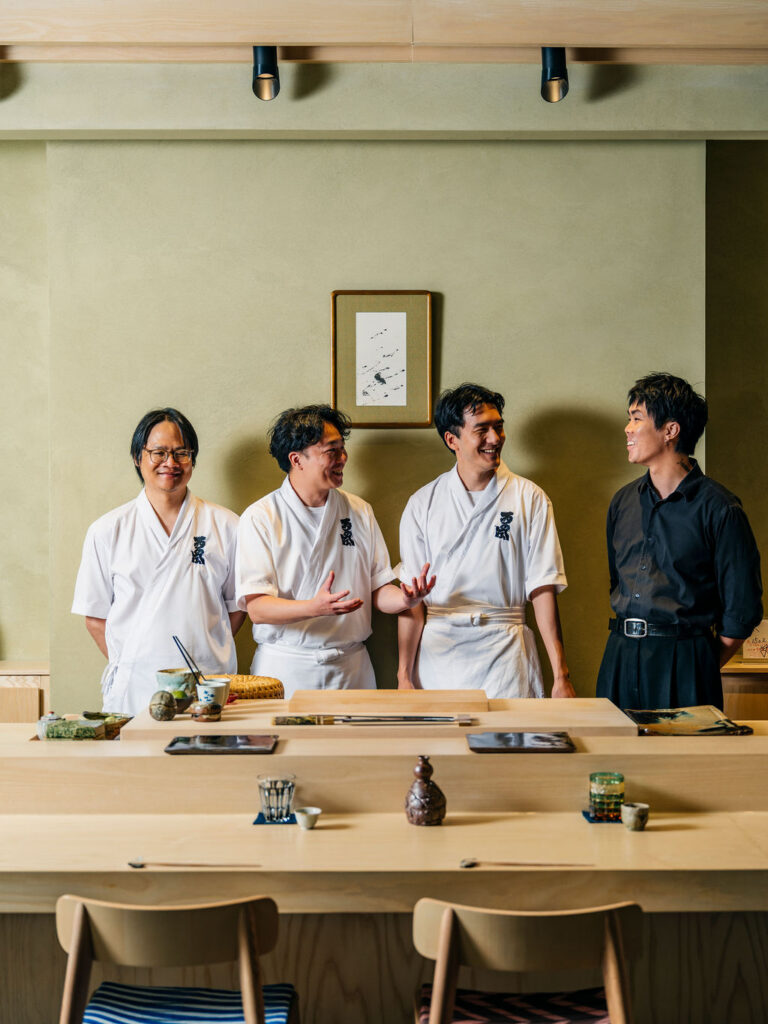
For Pete Ho, whose grandmother would wait up for him with something hot to eat, solo diners are made welcome at Sumibiyaki Arashi. “Whether someone comes in to quietly reflect, enjoy a moment of peace, or simply savour a meal in their own company, we want them to feel the same sense of warmth and belonging as if they were part of our extended family,” he says. Service across a counter means everyone has a vantage point of Ho at the grill, plating taking place inches away. Distraction isn’t needed with the flow of yakitori.

Pasta Pooks has that lived-in cool of a friend’s apartment, casual without contrivance. For the solo diner, it’s perfect; a bar seat, a bowl of something unapologetically garlicky, and a pour of something you know they genuinely like. You can eavesdrop or not, journal or scroll, or people watch out the window. You settle into the rhythm of eating at your own pace.
An eight-seat Edomae sushiya, at Montréal’s Sushi Nishinokase solo dining is common to the point of being the norm. “From its inception, Tokyo food culture was built upon the individual diner,” Co-owner Julian Doan explains. “The very architecture of the omakase counter reflects this history: it is not a communal table. Seat 1 cannot realistically converse with seat 8. Each guest is having their own personal exchange with the chef,” Chef Vincent Gee adds.
A great restaurant treats dining alone like the luxurious choice it is.
More to Explore
More Features
The Top 10
The Finalists
About Us