2025 Sustainability Standouts
aKin
ELEM
Nero Tondo
Niwa
Sushi Hyun Omakase
Sumibiyaki Arashi
Restaurant Panacée
Yan Dining Room
Sustainability today is less a movement than a mindset — one that shapes not just sourcing, but systems of thought and care. Across the country, restaurants are redefining what it means to operate responsibly, showing that environmental intention and creative excellence can coexist. Within this growing conversation, Nero Tondo offers a compelling portrait of what sustainability looks like when it becomes a way of life.
Editorial by Tara O’Brady
Photography by Johnny C.Y. Lam
Sustainability in restaurants is not only about compost bins and recycled takeout containers (though those help). It’s a continuous endeavour, an ethos of how you trim your vegetables and write the menu, the difference between buying what’s available and asking why it’s available in the first place.
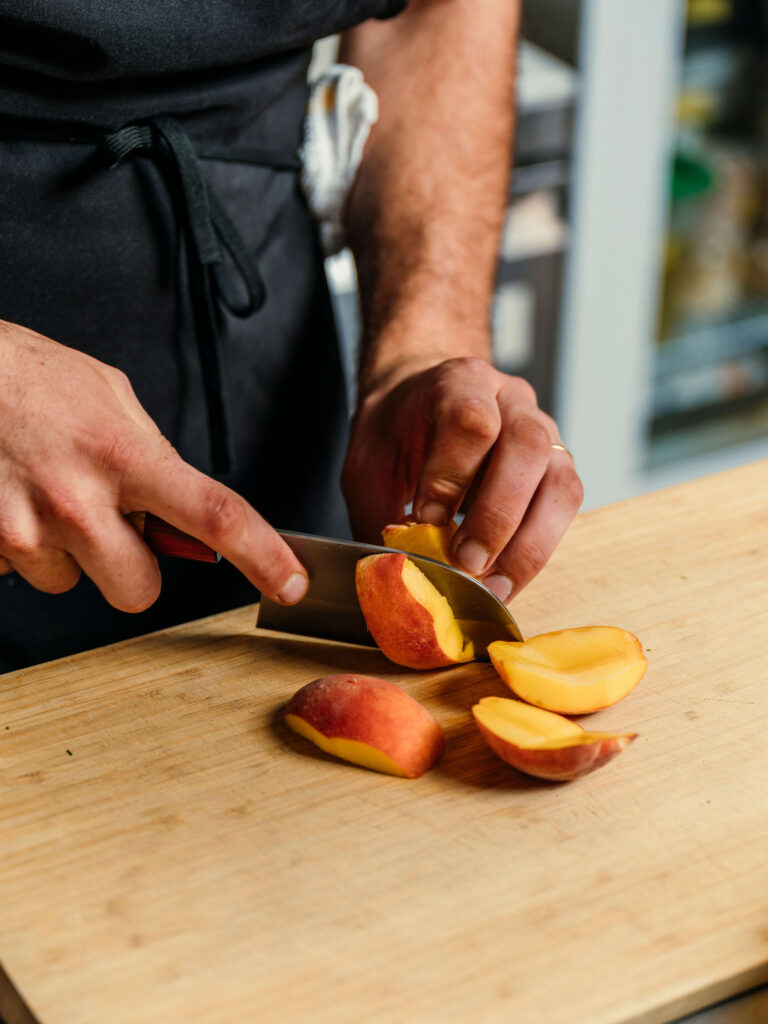
To co-owners and chefs, Lucas Johnston and Devon Latte, “hyper local means trying to use as many local purveyors and ingredients as possible.” In practice that means animal proteins are secondary. No produce from outside BC, no grains outside of Canada. The lemons from Jane Squier on Saltspring or Local Harvest in Chilliwack are precious, so you won’t find a wedge dangling off your gin and tonic.
The menu defers to micro seasons, requiring both creativity and dexterity. When figs show up one morning, fresh cheese gets made that afternoon, so they can be served together that night. “Challenges have included filling gaps [in] ordering, as we can’t just walk to the grocery store,” Johnston explains. “We must drive to a local farm or call in a favour, weekly market runs on Saturday mornings, [and] running on little to no sleep.”
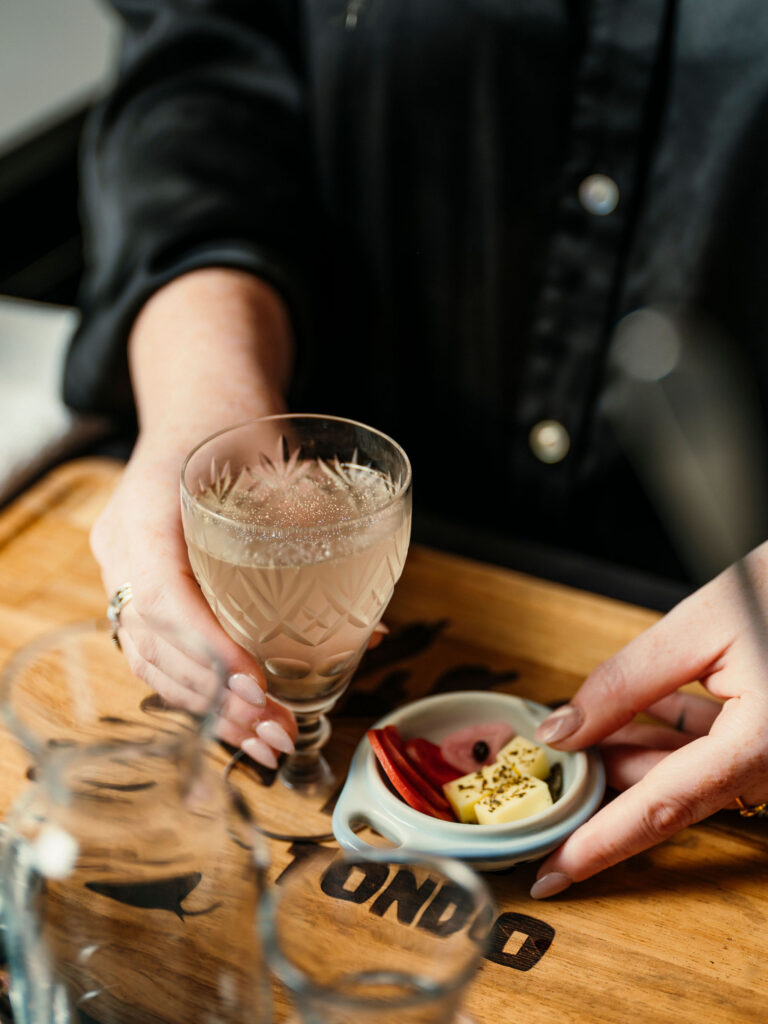
Their modest square footage on Powell Street further dictates their pace. Big deliveries require processing ingredients immediately, even if it’s 90 minutes before service. But that’s the deal they’ve made.
Nothing is wasted. Kelp left over from dashi making gets smoked, then becomes oil, to be spooned onto the finished broth. “Pulp from our oil making is used in marinades or emulsions, buttermilk from churning our cream into butter is used to make vinaigrettes or brines,” Latté adds. “Leftover BC-grown rice each night is turned into porridge then dehydrated and puffed crispy for the same dish.”
In June, kimchi, fava beans, and ricotta met up with first-of-season tomatoes. The by-product, whey, from that ricotta was reduced into a caramel with Quebec maple syrup, as part of the radish sundae.
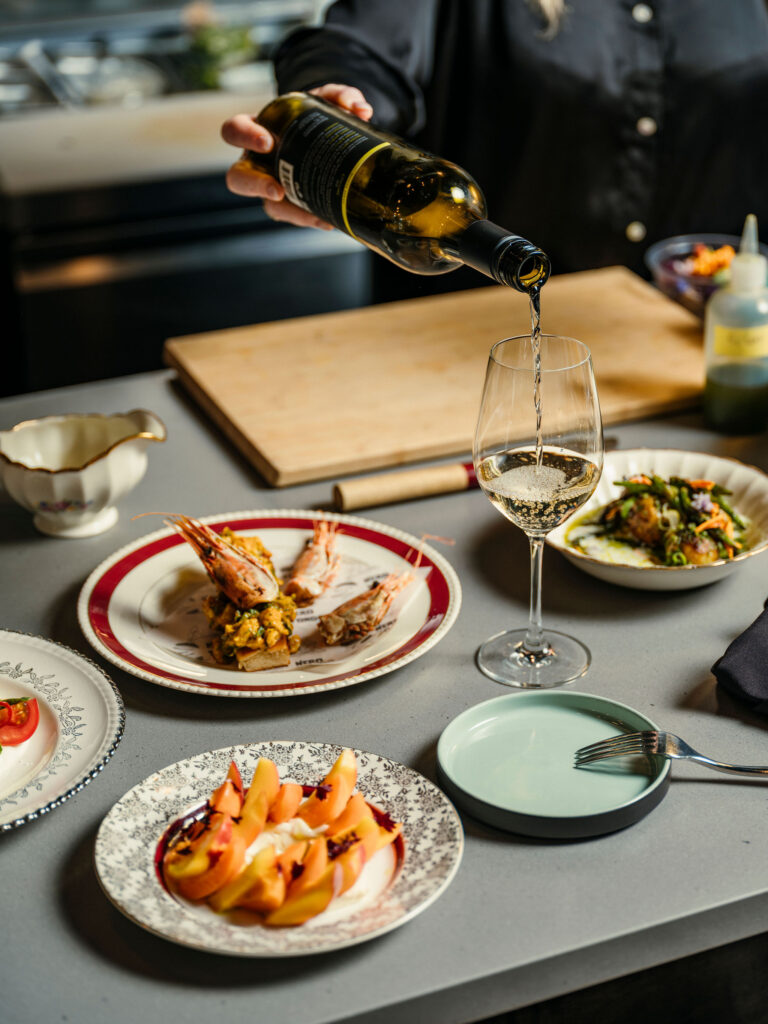
Beyond the plate, they’re pushing for a better kitchen culture. No day rates, fair tip shares, and extending their belief in “full use” to the space itself, opening the restaurant to other industry professionals as a creative platform, a way of paying forward the help bestowed upon them when they started.
It’s everything; the sourcing, the reusing, the way of working that respects farmers and fisher folk, using every last part of what they bring to your door. The mental gymnastics and even their obvious joy, it all comes from the same place. “Hyper local” is less slogan and something real, more lived. It’s respect.
Sustainability, here, is lived — not as perfection, but as persistence. It’s a daily act of adaptation, an openness to constraint, and a belief that every small choice compounds into something meaningful. Below, we spotlight other 2025 Finalists that share this ethos — restaurants reminding us that innovation means nothing without respect for the land, the sea, and those who care for them.
2025 Sustainability Standouts

aKin
TORONTO
ON
Elem
VANCOUVER
BC

Nero Tondo
VANCOUVER
BC
Niwa
VANCOUVER
BC
Restaurant Panacée
Montréal
QC

Sushi Hyun Omakase
VANCOUVER
BC
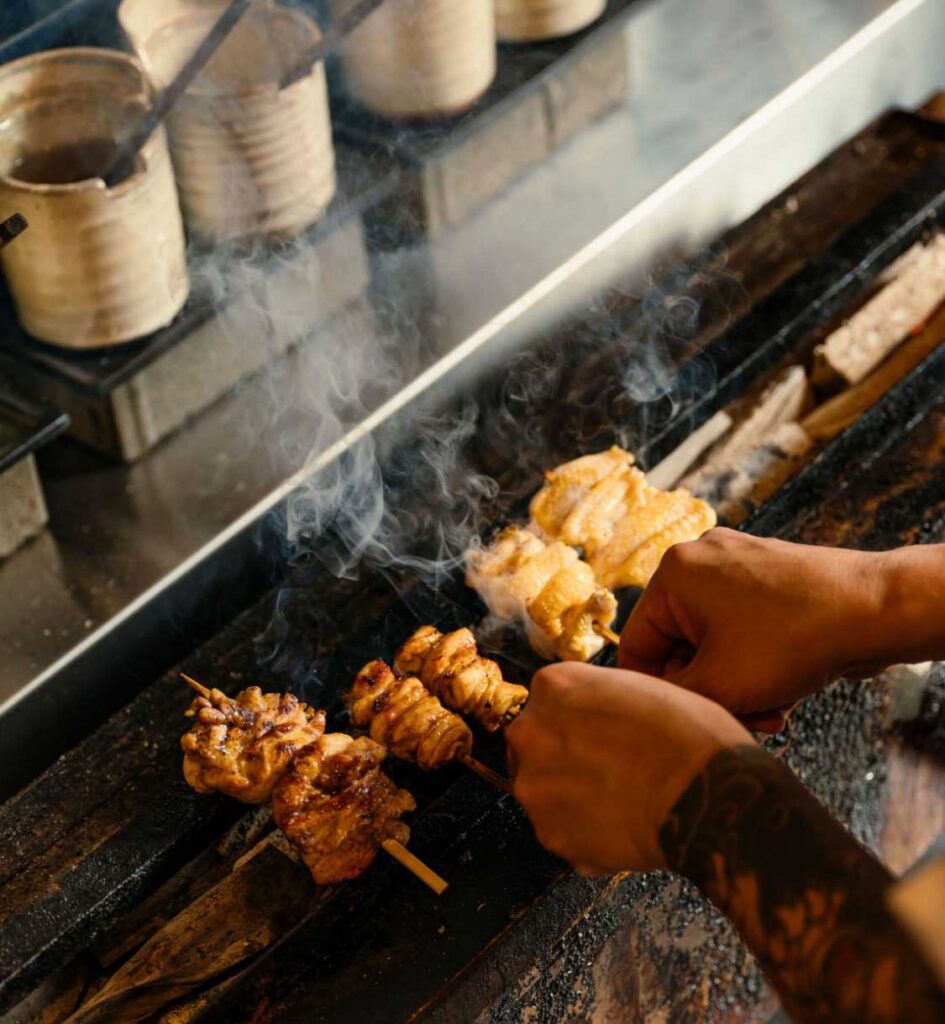
Sumibiyaki Arashi
VANCOUVER
BC