“There is an increasing willingness to drive two hours for lunch, make an unexpected detour or add an overnight stay simply because there is a restaurant worth discovering. Distance becomes less of an obstacle and more a part of the pleasure.”
Written by the Air Canada’s Best New Restaurants Team
Photography by Johnny C.Y. Lam
Across Canada, the gastronomic map is becoming more expansive. While the culinary scene in Toronto, Montréal and Vancouver remains undeniably exciting, some of the country’s most memorable restaurant experiences are emerging in destinations shaped by a particularly strong connection to place.
Behind many of these restaurants is a generation of chefs and hospitality professionals looking outward. Having honed their craft at ambitious restaurants, in both kitchen and dining room service, they are bringing that experience with them while choosing to build something distinctly rooted in their surroundings. For many, that means a closer relationship with the farmers who grow their vegetables, the fishers bringing in the day’s catch and the winemakers tending vineyards nearby. Their expertise may have travelled, but the restaurants themselves belong very much to where they are.
From east to west, that sense of place takes different forms. In Sainte-Anne-de-Beaupré, Coquette offers a reason to follow the St. Lawrence beyond Quebec City. In Val-David, brothers Mike and Tim Robertson have made MacTaverne feel entirely at home in the Laurentians, putting local beef on the plate and Ayawan beer from the neighbouring town of Val-Morin in the glass. Both have an easygoing quality without compromising their ambition. They speak to a generation choosing not simply to open restaurants, but to become part of the communities around them.
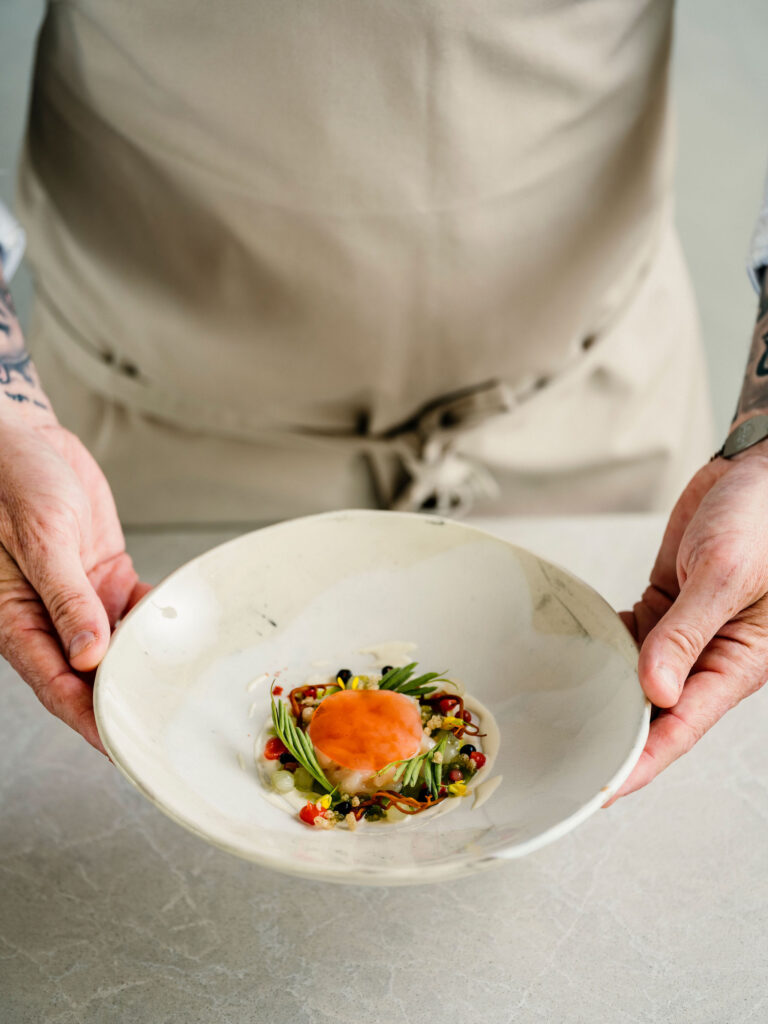
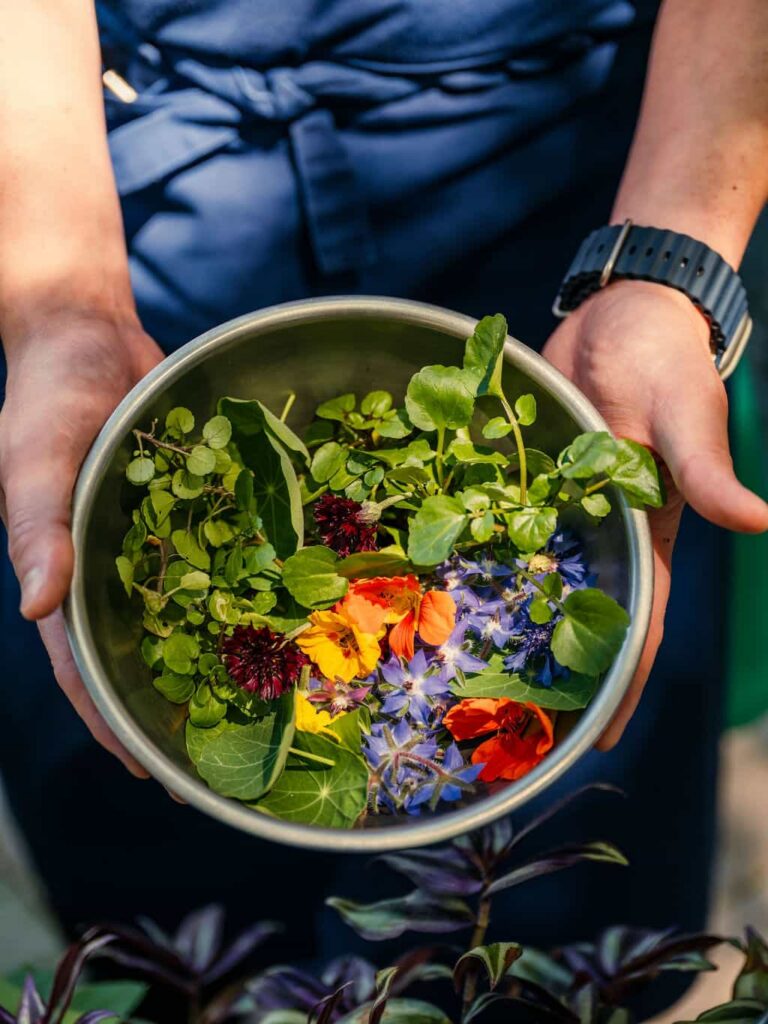
Nowhere is that connection to place more tangible than in Niagara. At Restaurant Capelin in St. Catharines, the husband-and-wife team draws from what is remarkably close at hand: herbs grown in the garden at Restaurant Pearl Morissette, local freshwater fish and limited-production artisanal wines made just down the road. Nearby, Les Incompetents and Revé offer their own expressions of a region shaped by vineyards, orchards and farms. Here, proximity is not simply about access to exceptional ingredients. Relationships with growers, farmers and winemakers become integral to the identity of the restaurants themselves.
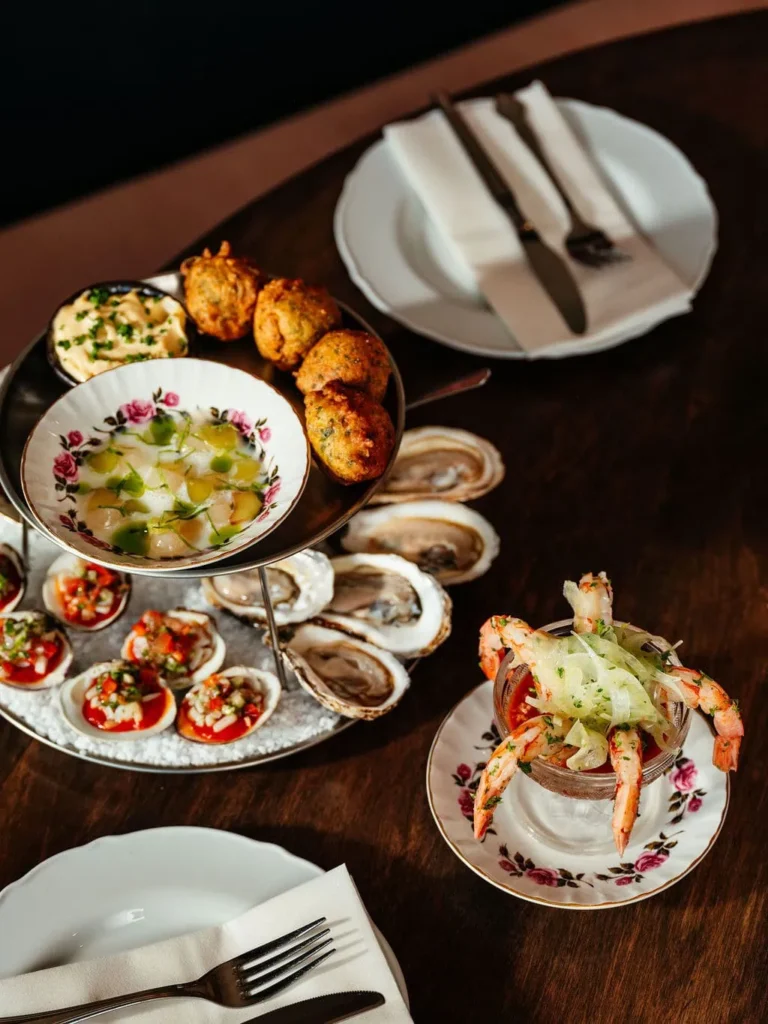
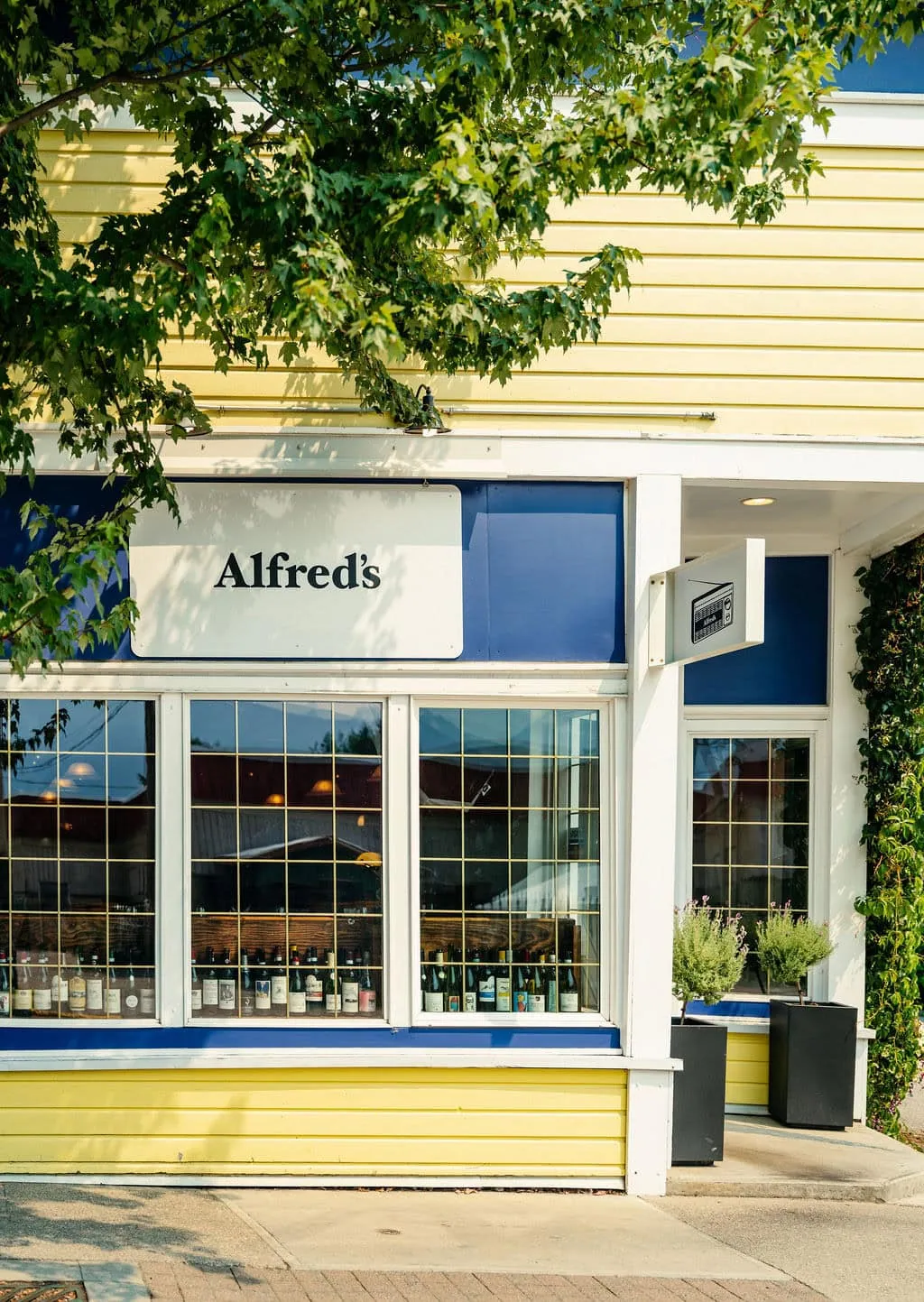
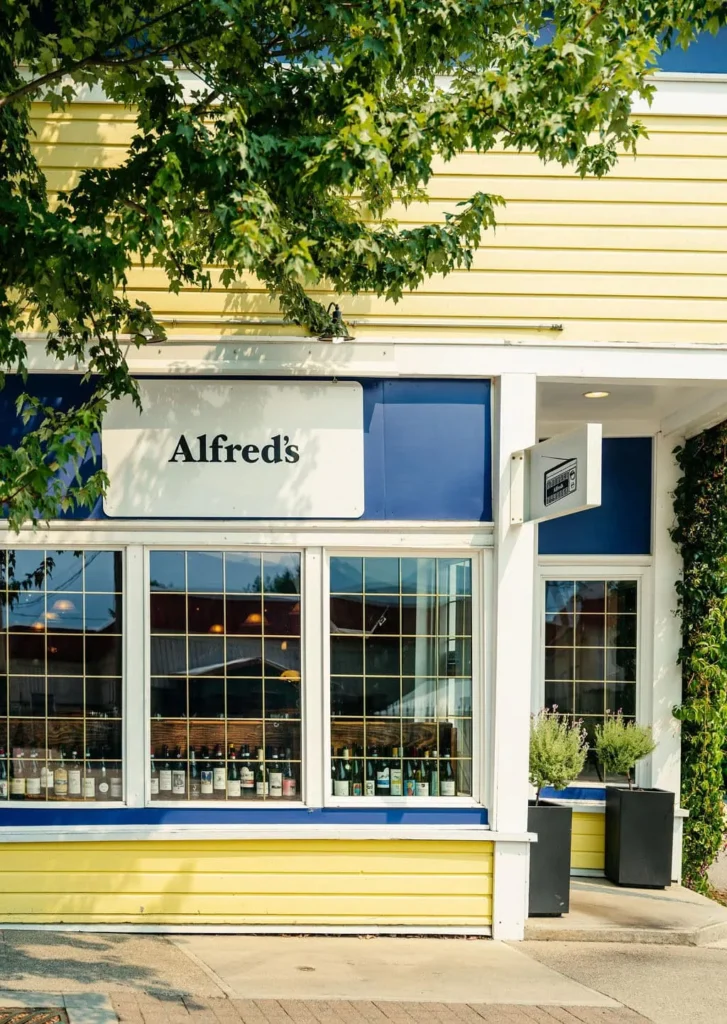
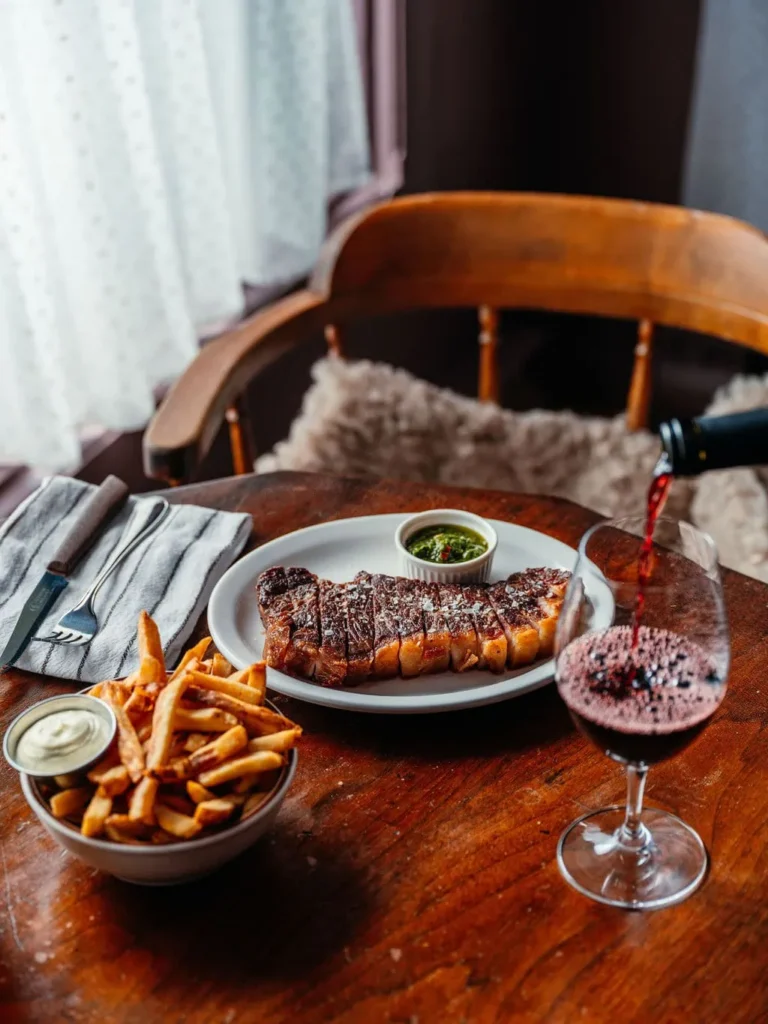
Further west, in the heart of the Rockies, Alfred’s has become something of an epicurean hub in Revelstoke, a place to gather, eat and drink well in a mountain town where the landscape inevitably shapes the rhythm of life around it. On the Atlantic coast, Annie’s Wine Bar* in St. John’s, Newfoundland and Labrador, and Drifter’s Rest* near Martins River, Nova Scotia, offer their own expressions of place, broadening a culinary landscape that increasingly extends far beyond the country’s traditional restaurant centres.
Diners are looking outward, too. There is an increasing willingness to drive two hours for lunch, make an unexpected detour or add an overnight stay simply because there is a restaurant worth discovering. Distance becomes less of an obstacle and more a part of the pleasure. The road along the St. Lawrence, a drive into the Laurentians, the vineyards of Niagara or the mountains surrounding Revelstoke become part of the memory of the meal itself.
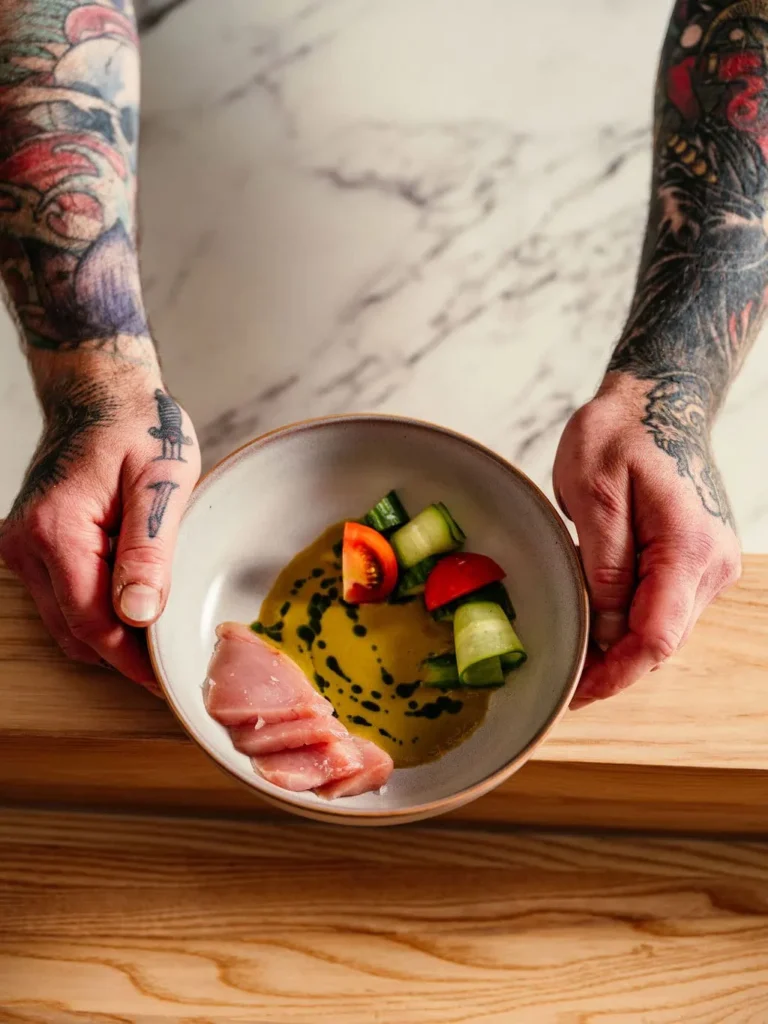
Perhaps the most exciting part of Canada’s shifting culinary map is not simply that remarkable restaurants are flourishing beyond its major dining centres, but that they are giving us new reasons to travel. As restaurants become more deeply connected to the places around them, diners follow: down country roads, through wine regions, into mountain towns and along the coast. The journey becomes part of the experience, and the sense of place is something that stays with you long after the meal is over.
*Honourable Mention, 2026 Finalist Class. Not eligible for full consideration this year given style or seasonality, but firmly on our list of places worth the detour.